
72 housing authorities statewide
About the association
The North Carolina Housing Authority Directors Association consists of directors from 72 housing authorities across the State of North Carolina — convening twice each year for training and roundtable discussion, and advocating year-round for improved housing alternatives and community development.
01 — Our purpose
Mission & vision
NCHADA exists so that no North Carolina director has to solve a problem alone. What one agency learns, the whole membership gains.
Our mission
To strengthen the executive leadership of North Carolina's public housing authorities through professional training, candid peer exchange, and a unified statewide voice — so that every agency, regardless of size or geography, can administer its programs with confidence and serve its residents well.
- Deliver practical training on federal regulation and agency operations
- Convene directors twice yearly for roundtable problem-solving
- Keep members informed of the issues affecting their authorities
Our vision
A North Carolina in which safe, affordable, well-managed housing is within reach in every county — supported by housing authorities whose directors are well trained, well connected, and well represented in the policy conversations that shape their work.
- Advocate for improved housing alternatives statewide
- Advance community development in urban, rural, and coastal counties
- Build the next generation of housing authority leadership
Shared practice
Directors bring real policies, real findings, and real solutions to the table — not theory.
Stewardship
Public funds and public trust demand accurate reporting and sound internal controls.
Residents first
Every association priority is measured against what it means for the families we house.
02 — Our history
How the association
came together
NCHADA began the way most enduring associations do — with a handful of directors comparing notes on problems no manual covered.
From those early informal gatherings, the association grew into the professional network that now represents directors from 72 housing authorities across the state. The format has stayed remarkably consistent: bring directors together, put the hardest questions on the table, and leave with answers that can be carried back to the agency on Monday morning.

-
The founding era
Directors begin to convene
As local housing authorities took shape across North Carolina, their directors began meeting informally to compare admissions practices, maintenance standards, and relationships with local governing boards. Those conversations became the association's foundation.
-
Growth years
A statewide membership takes form
As federal rental assistance programs expanded, the number of North Carolina authorities grew and so did the complexity of running one. The membership adopted a standing biannual meeting schedule so that directors from every corner of the state could plan around it.
-
Professionalization
Training becomes the centerpiece
The association formalized its committee structure and built a full conference program around professional development — regulatory training, financial management, and the peer roundtables that members still describe as the most valuable hours of the year.
-
A unified voice
Advocacy and partnership
The association deepened its working relationships with HUD field offices, the North Carolina Housing Finance Agency, and national organizations — giving directors a coordinated way to raise statewide concerns rather than one agency at a time.
-
Today
72 authorities, one network
NCHADA now represents directors from 72 housing authorities statewide, pairing its biannual convenings with regular member communication on regulatory changes, funding notices, and legislative developments.
See the 2026 Fall Conference
03 — Leadership
Executive board
The association is led by an executive board of sitting directors, elected by the membership and serving alongside their full-time responsibilities at their own housing authorities.
Officers
Elected-
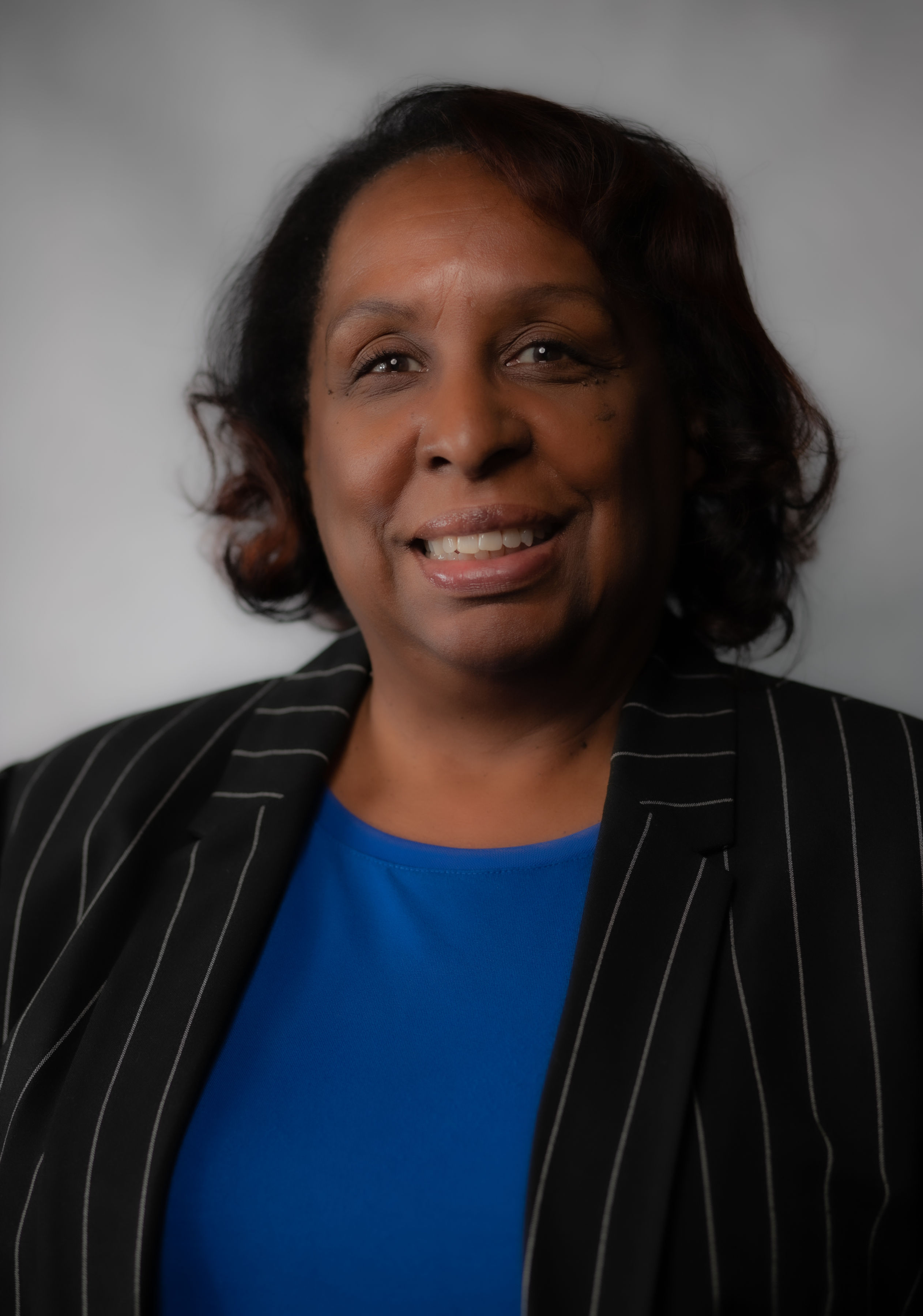
Veronica Revels
President
Burlington Housing Authority
Piedmont -
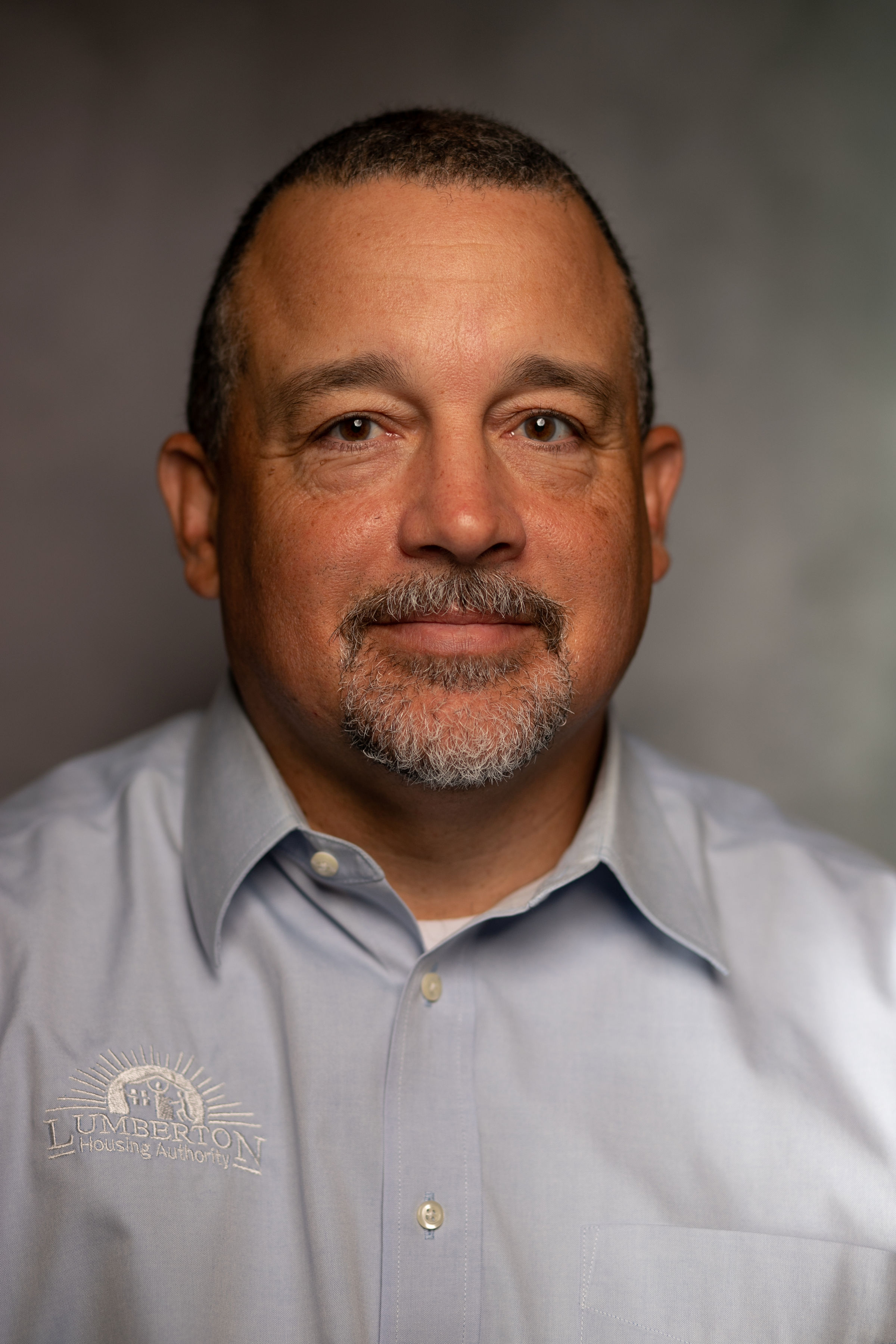
Adrian Lowery
First Vice President
Lumberton Housing Authority
Sandhills -
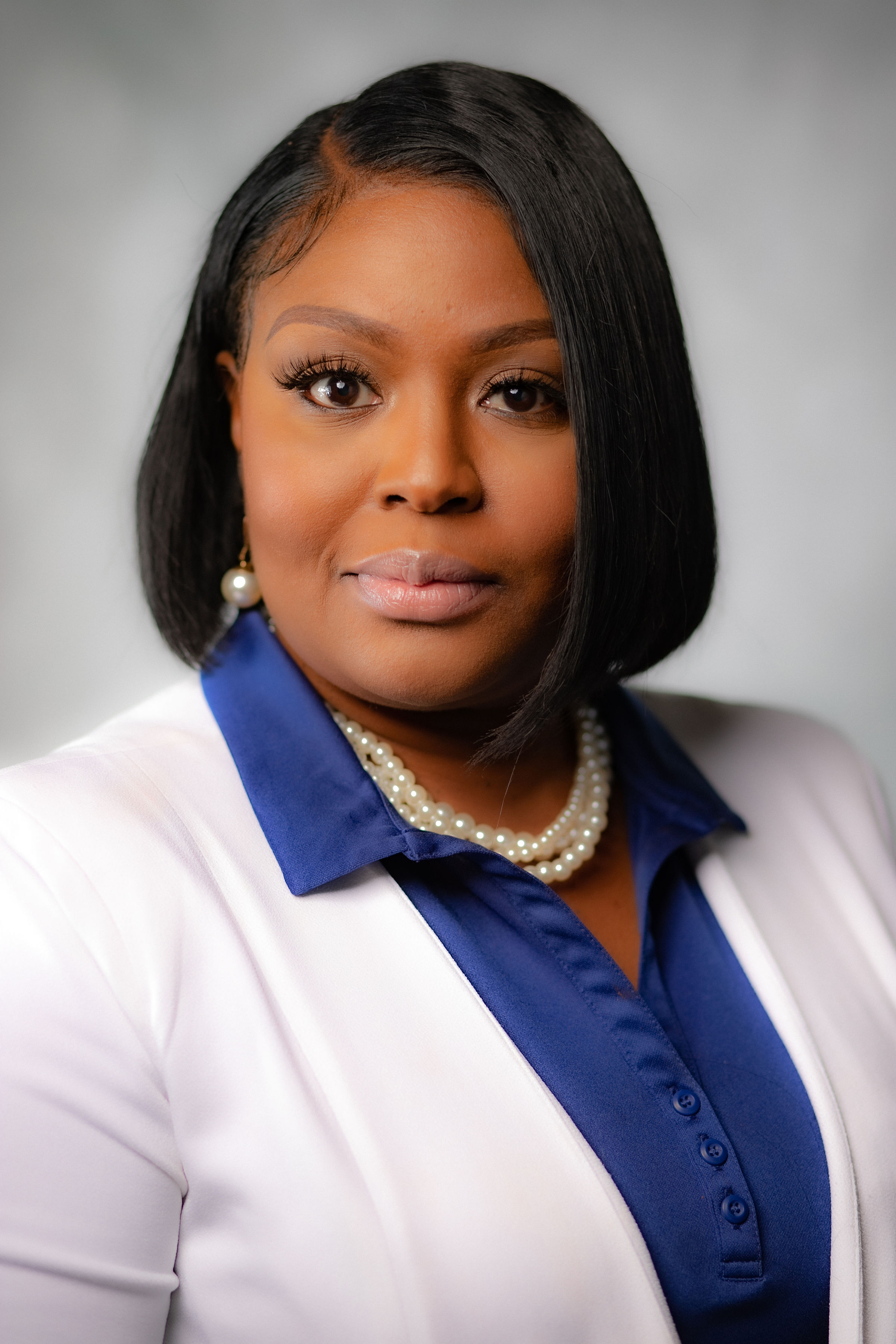
Niakeya Jones Cooper
Second Vice President
Robeson County Housing Authority
Sandhills -
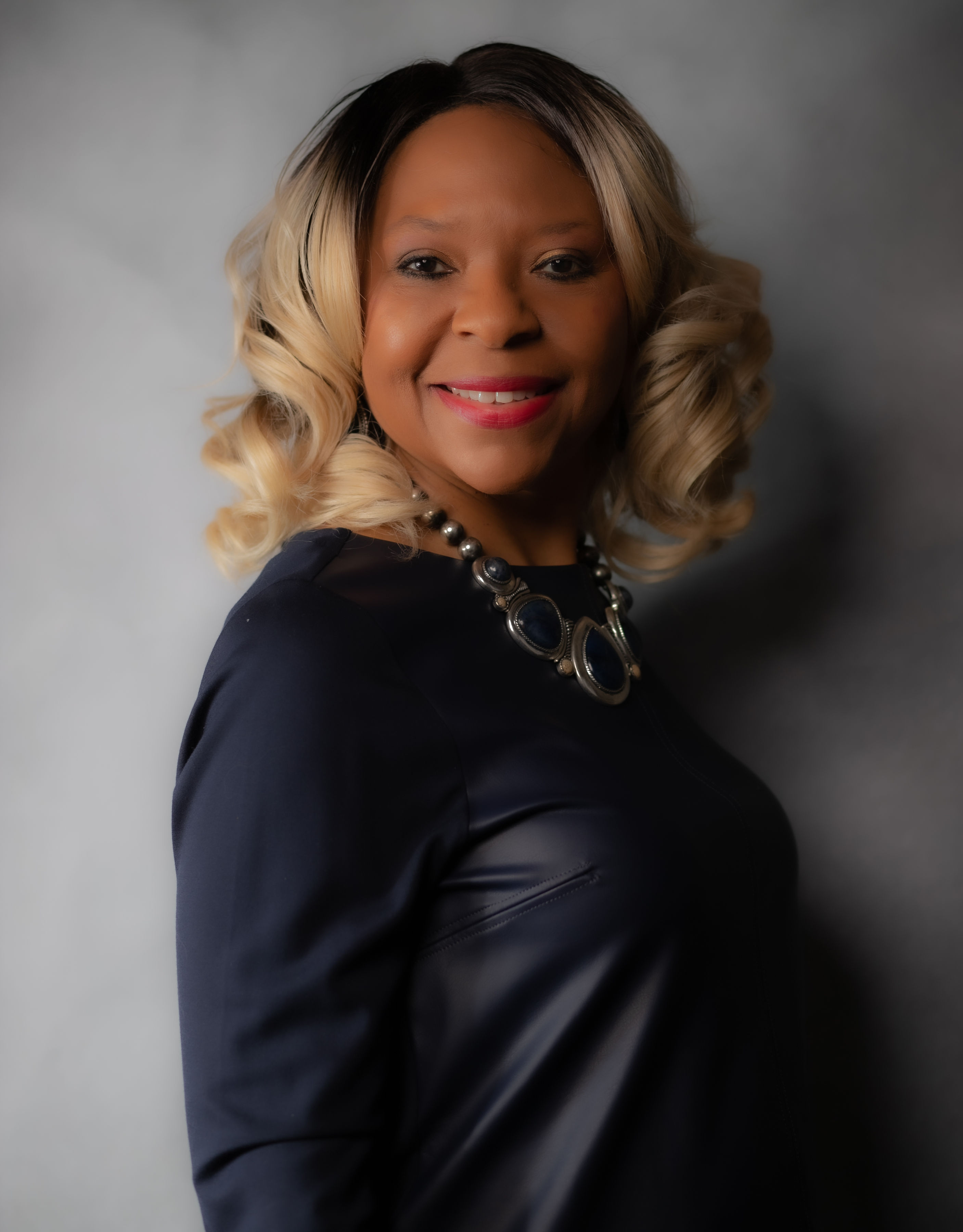
Alanda Richardson
Immediate Past President
Hickory Housing Authority
Foothills -

Michael Gaddy
Treasurer
Williamston Housing Authority
Inner Banks -
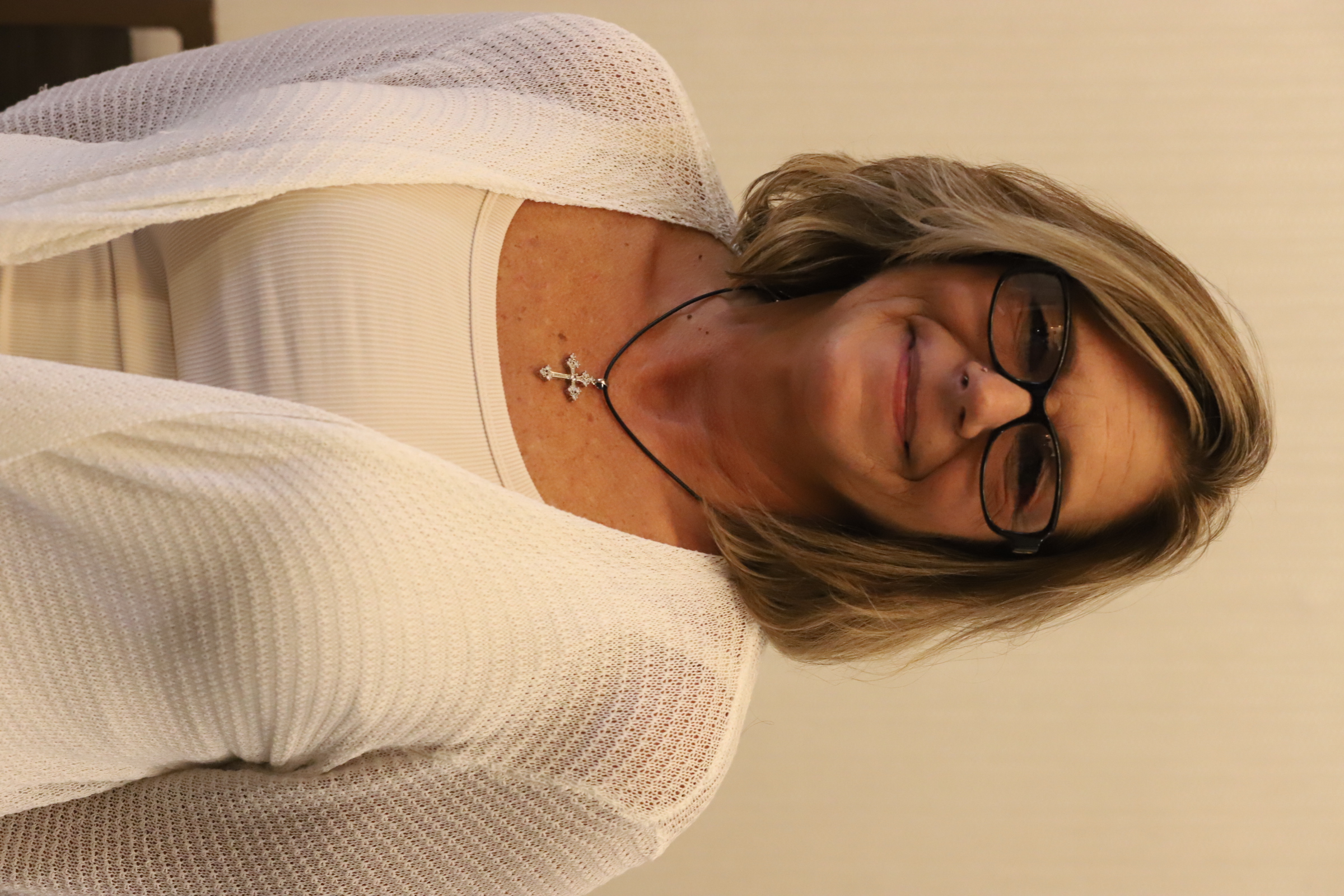
Erica Bobo
Secretary
Belmont Housing Authority
Piedmont
Board members
At large-
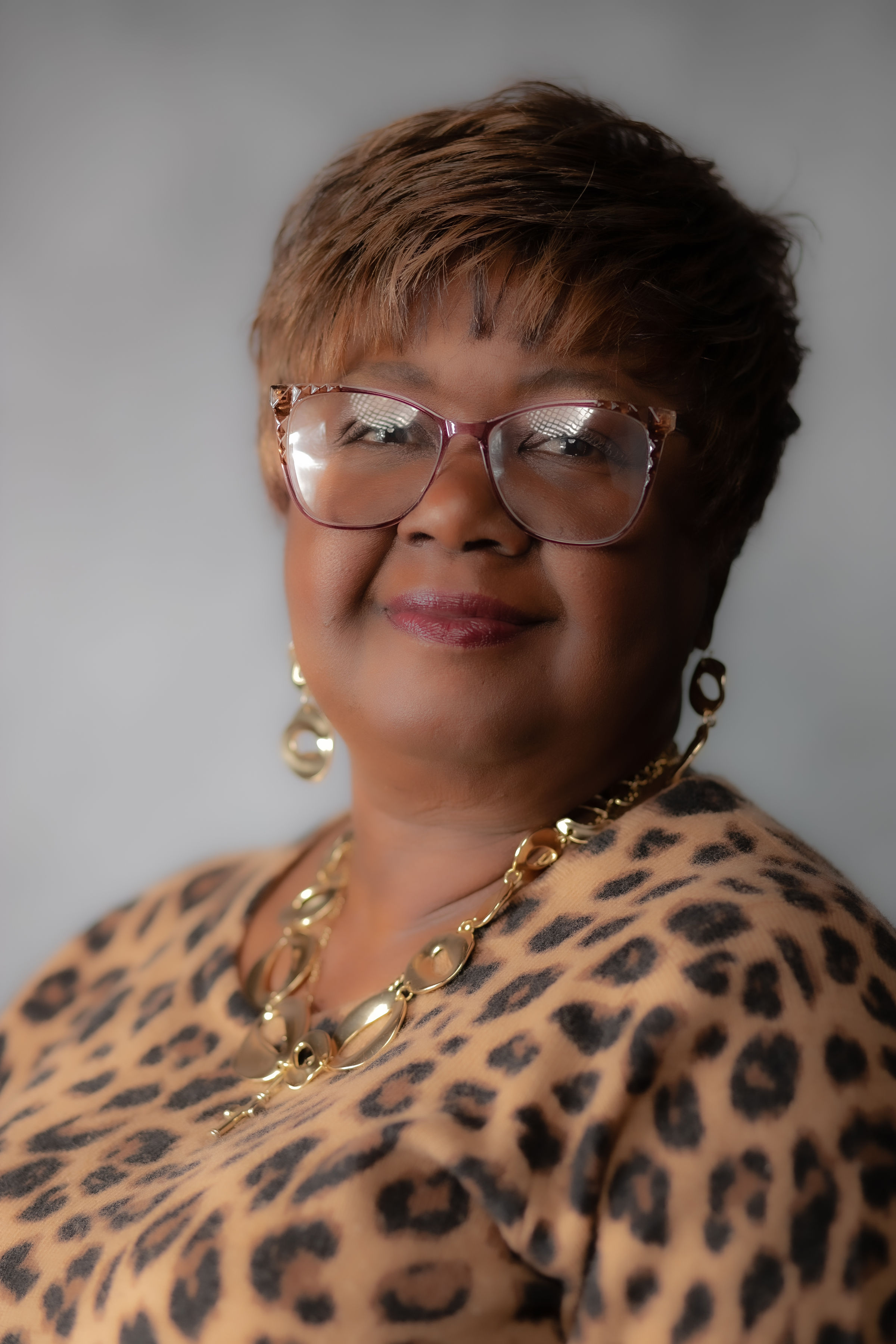
Deborah Davis
Board Member
New Edenton Housing Authority
Inner Banks -

Thomas Green
Board Member
Tarboro Redevelopment Commission
Coastal Plain -
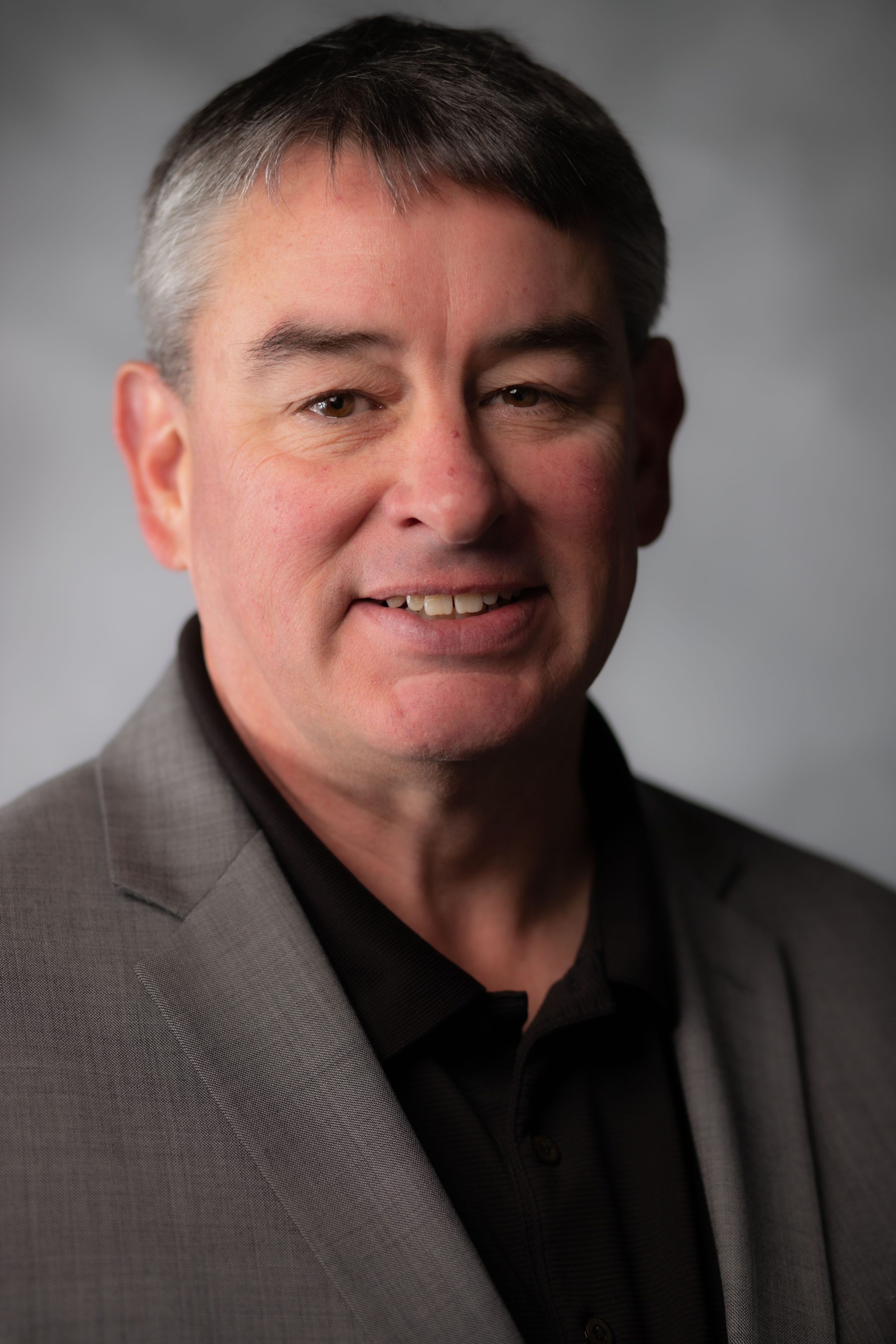
Kelly Vick
Board Member
Wilson Housing Authority
Coastal Plain -
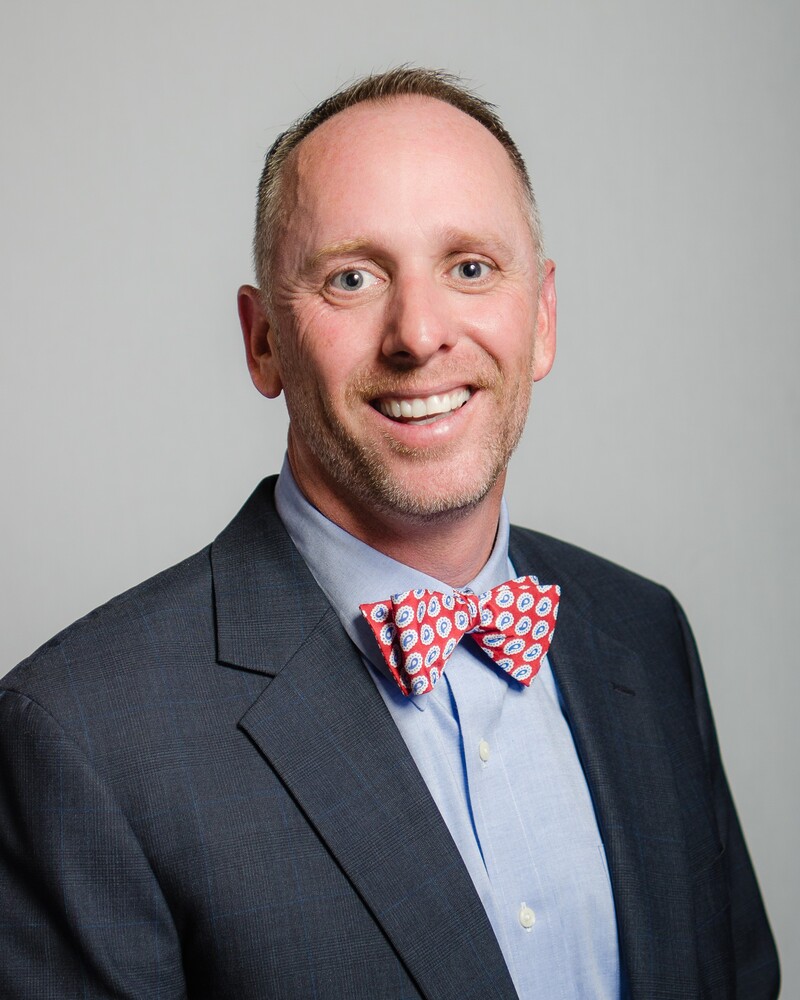
Michael Dineen
Past President
Lenoir Housing Authority
Foothills -
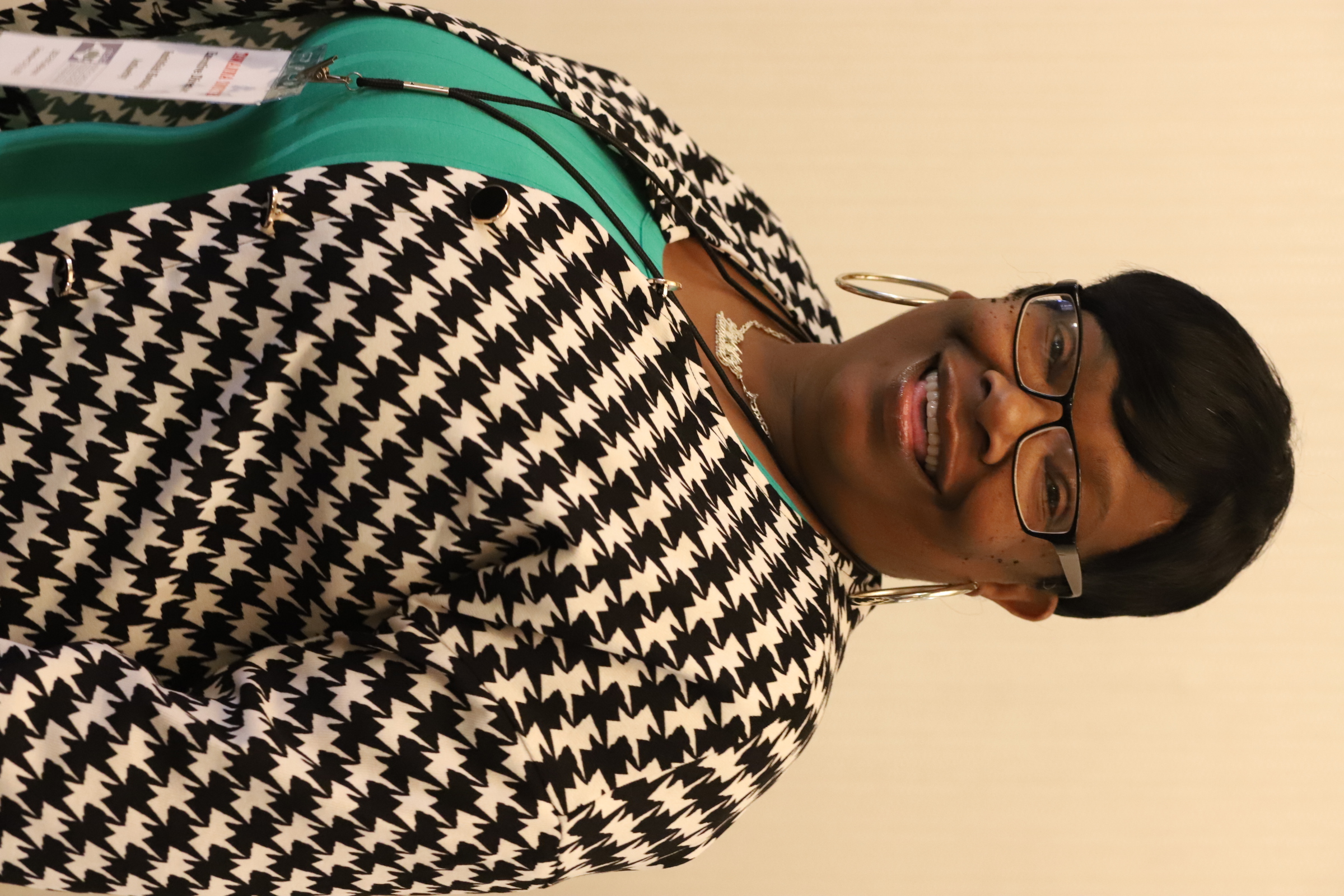
Tawanna Smith
Board Member
Smithfield Housing Authority
Coastal Plain -
Reaching the board
Correspondence for any officer or board member may be directed through the association office.
04 — How we operate
Governance & committees
NCHADA is a member-governed association. Officers are elected by the membership, and the association's work is carried out by standing committees made up of volunteer directors and senior agency staff.
Governance at a glance
- Elections
- Officers are elected by the membership at the annual business meeting held during the Fall Conference.
- Meetings
- The association convenes twice each year for training and roundtable discussion; the board meets more frequently as business requires.
- Bylaws
- Association bylaws govern membership, officer duties, committee formation, and amendment procedures.
- Records
- Minutes, treasurer's reports, and committee summaries are posted for members in the document library.
Standing committees
Conference Planning
Selects host cities, builds the session program, coordinates speakers, and manages the vendor exhibit hall for both statewide convenings.
Legislative & Advocacy
Tracks federal and state activity affecting public housing authorities and prepares the association's positions on issues that reach the membership statewide.
Membership
Welcomes newly appointed directors, maintains the membership roster, and pairs first-year directors with experienced peers from a similar-size agency.
Training & Professional Development
Identifies training needs across the membership and develops workshop content on regulation, operations, and agency leadership.
Finance & Audit
Reviews the association budget with the Treasurer, oversees the annual financial review, and reports to the membership at the business meeting.
Nominating
Prepares the slate of officer candidates, confirms eligibility under the bylaws, and presents nominations ahead of the annual election.
Members interested in serving on a committee are encouraged to reach out through the association office.
05 — Join the network
Membership
Membership in NCHADA connects your agency to every other housing authority in North Carolina — and to the directors who have already worked through the challenge in front of you.
Who is eligible
- Executive directors of North Carolina public housing authorities
- Directors of redevelopment commissions administering assisted housing
- Senior agency staff designated by their director
- Partner organizations and vendors, as associate participants at conferences
What members receive
- Access to both statewide convenings, including training sessions and workshops
- Regular communication on regulatory, funding, and legislative issues
- A peer network of directors from agencies of every size and region
- Association records — minutes, reports, and conference materials
- A collective voice in statewide housing and community development discussions

How to inquire
New directors and agencies interested in joining are welcome to reach out to the association office. A member of the Membership Committee will follow up with current dues information, the meeting calendar, and an introduction to the directors serving your region.
Membership informationNext convening
Meet the membership this fall
The 2026 NCHADA Fall Conference brings directors from across North Carolina together September 19–22 for four days of training, roundtables, and association business.